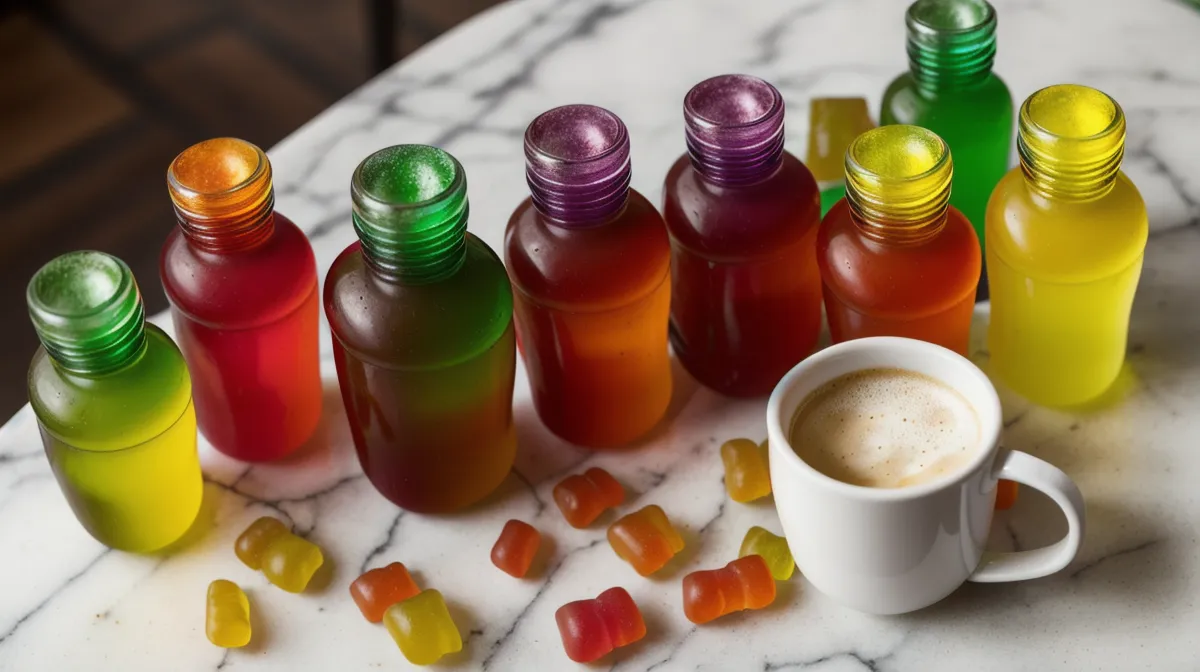
A bottle of gummy probiotics and a bag of gummy bears can share nearly the same first three ingredients, and that single comparison is what turned me from a casual gummy-vitamins shopper into someone who treats gut-health label-reading the way I treat grading student essays. Here is the thing: the packaging on both looks like it came from the same color palette and the same design studio. When you flip either bottle over, most people just trust whatever adjective is printed on the front rather than reading the ingredient list.
Swallowing a regular pill has never worked for me, which is the entire reason gummy-format vitamins exist in my house at all. That part of the story is short: a gag reflex, a wall of options at Target, and a small sense of relief. What took longer to build was the process that came after, because most of those bottles turned out to be better candy than medicine, and once I started treating the ingredient panel like a worksheet, I could not stop grading it.
Sugar First, Everything Else Second
Labels for gummy probiotics, gummy fiber, and gummy anything else list their ingredients heaviest first, so whatever sits on that top line is what you are mostly eating. When sugar, cane syrup, or tapioca starch takes that spot, the rest of the panel is already working uphill, no matter how many strain names show up further down. I wrote a longer breakdown of that exact pattern in the red ink on my gummy labels, so I will not repeat the full lesson here — the short version is that the earlier the sugar appears, the sooner I close the bottle.
Sugar alcohols and artificial sweeteners get flagged on my rubric too, since a stomach as sensitive as mine does not always tolerate either one well, even when the front label brags about being sugar-free. One sugar-free bottle I tried tasted like a melted popsicle left in a hot car, and I finished it out of stubbornness more than enjoyment. None of this is theoretical for me: I went through a stretch of drinking a bottle of kombucha every single day, certain I was handing my gut a gift, and the bloating only got worse, not better. That one taught me there is a real difference between eating a fermented food for the bacteria in it and taking a supplement built for the same goal, though untangling that fully is a longer homework assignment than one paragraph allows.
What a Strain Name on the Label Actually Tells You
A label that says only "probiotics," with no number and no strain name attached, is an automatic incomplete in my gradebook, the same way I would hand back an essay with no evidence behind its thesis. What I actually look for is a Colony Forming Units count sitting next to a named strain, because that pairing is the difference between a real claim and a vibe. Prebiotics and probiotics get blurred together constantly on these panels too, even though they are not the same ingredient doing the same job, and sorting that out fully is its own longer lesson. A third-party testing seal earns extra credit in my margins, while a panel that just says "proprietary probiotic blend" with nothing broken out loses points automatically, because I cannot grade what nobody will show me.
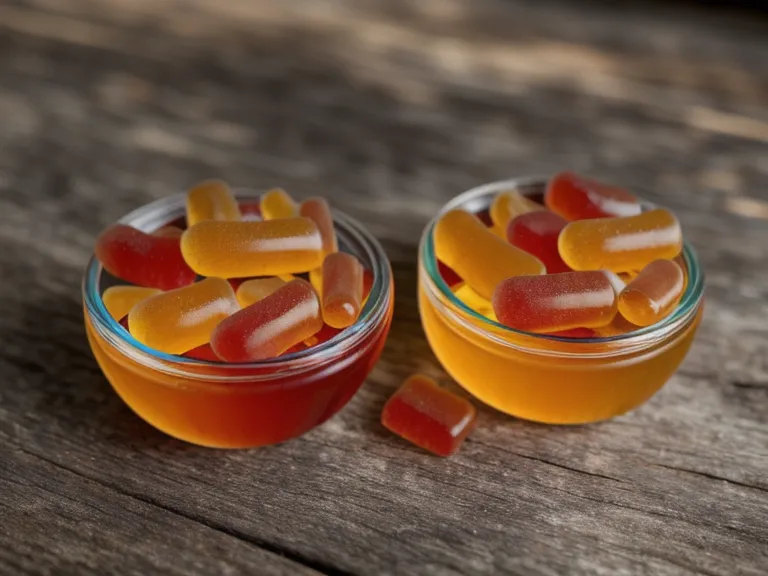
Strain names matter beyond just sounding specific. A name like Bacillus coagulans earns a plus mark from me because spore-forming strains carry a natural shell that gets them past both the manufacturing heat and the acid waiting in your stomach, which not every strain manages. Gelling agents are the other line item that is easy to skip past: pectin-based gummies hold their shape in a hot car or a warm desk drawer far better than gelatin ones do, and they also tend to leave a faint, powdery dust on their own label once a couple of bottles knock against each other, which is a strange little detail to notice but there it is. I have opened enough gelatin bottles fused into a single lump to know which one grades higher now.
Doing the Fiber Math Before You Swallow
Most adults fall short of their daily fiber target, which is exactly why a fiber gummy looks like such an easy fix sitting on the shelf. Fiber is not one simple thing either. There is more than one type doing different jobs in your gut, and a gummy label rarely tells you which one you are actually getting, so I stopped trying to settle that question from the bottle alone. Any new fiber gummy I try now starts at half a serving for the first few days before I move up to a full dose, because jumping straight to the recommended amount is how I ended up feeling like a parade float more than once. My sugar-free gummy rabbit hole covers that particular miscalculation in full, if you want the longer version.

Digestive enzymes and probiotics share a shelf at the store, but they are solving two different problems, and a label that mixes the language of both without being clear which one you are buying does not earn a passing grade from me. If bloating, gas, and irregularity were all solved by the same fix, there would not be an entire aisle devoted to a dozen slightly different approaches to the same complaint.
So What Actually Passes My Rubric?

Expiration dates get checked before anything else goes in my cart now, since a CFU count printed on day one does not promise much about what survives by the time you reach the bottom of the bottle. Stress does something to my stomach that has nothing to do with any ingredient panel — a tense staff meeting can undo a week of good choices just as fast as a bad gummy can, which is worth noticing without turning it into a science lecture. These days a full lunch, burrito and all, does not send me on the same slow, uncomfortable walk back to the car that it used to, and no single ingredient gets credit for that so much as the whole rubric does. My neighbor Rebekah tested more of my early bottles than anyone, long before any of this turned into something I write about, and a fellow teacher named Ines still sends me photos from the Costco supplement aisle whenever she spots something neither of us has graded yet.
If I had to compress the whole rubric onto one note, it would read something like this: check what comes first on the ingredient list, check whether the strain is actually named, and check whether the color looks like something that grows in nature rather than something that glows under a blacklight. None of that requires a nutrition degree, just the same skepticism I would bring to a suspiciously tidy book report. Grading the gut and searching for the perfect probiotic covers that whole rubric in more detail, but the short version is simple enough to keep in your head at the store, no notes required.