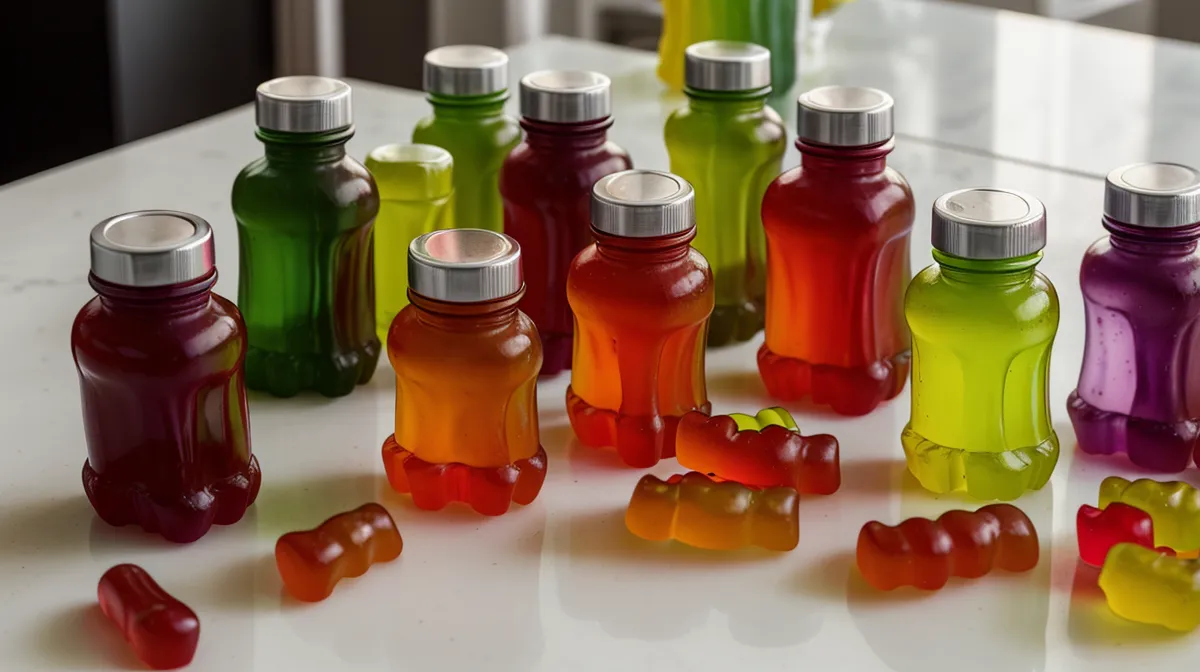
One bottle of gummy probiotics let me sit through two full hours of grading without a single fist-clench under my ribs. Another bottle, picked up during that same Target run, had my stomach staging a full protest by the second worksheet. Same shelf, same promise of gut health, completely different results, and the real difference between the two turned out to be printed in six-point type on the back of the label, not anywhere on the front. That gap is what pulled me into label reading in the first place, long before I started treating gummy supplements the way I treat a stack of essays: skeptical of a pretty cover page until the actual probiotic strains show up in the fine print.
Here is the thing about most gummy aisles: the two bottles rarely look like opposites. They sit inches apart, cost about the same, and both use words like "balance" and "support" on the front. The only way to tell them apart is to flip them over, which is exactly what I started doing after a bottle of kombucha that I drank faithfully for a stretch, convinced the live cultures would settle my stomach, yet somehow left me more bloated than before I started. If a fermented tea I trusted could backfire that badly, I had no business trusting a gummy's front label either.
Two Bottles, One Aisle, Two Different Gut Health Report Cards
Picture Bottle A: a minimalist label promising "Total Gut Balance," the kind of packaging that could sit on a shelf in a boutique. Its ingredient panel just says "Probiotic Blend" above a therapeutic-sounding count, with no strains named anywhere. It tasted like a gourmet fruit snack for the first few chews, then left a cloying, artificial raspberry aftertaste that hung around long after the gummy was gone, and it left me more bloated than a school-lunch pizza day, not less.
Bottle B sat two shelves over, wrapped in packaging so plain it barely qualified as marketing. No promise, no tagline, just a name and a serving size. Flip it over, though, and the Supplement Facts panel named its exact strain, gave a modest count, and kept the "Other Ingredients" list short enough to read in one breath. It never made a dramatic promise, so it never had a chance to break one — and that, more than anything printed on the front, ended up being the more useful information.
The Fine Print That Actually Matters
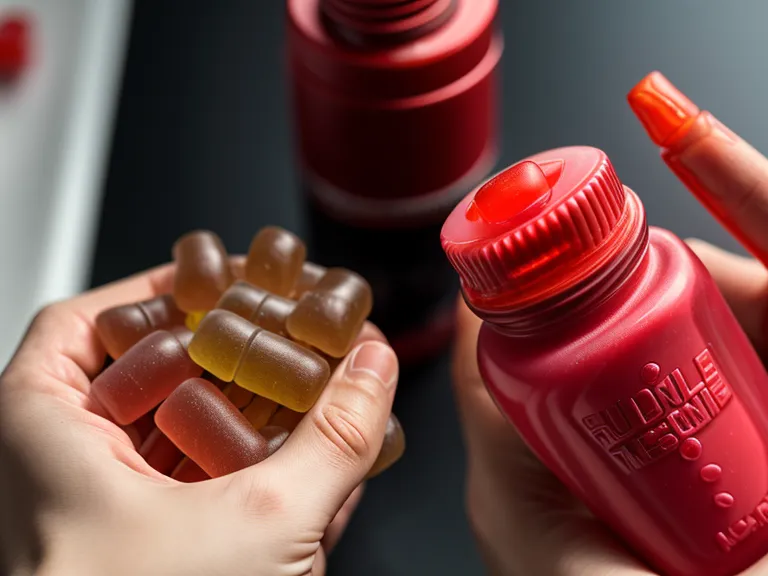
Grading an essay means looking past fancy vocabulary to check whether the student actually answered the prompt, and a label for probiotics works the same way. Manufacturers turning a live culture into a shelf-stable gummy need binders, sweeteners, and fillers just to hold the thing together, which is exactly why the front of the package leans so hard on words like "balance" and "support" instead of specifics.
A label that lists a real, named strain — something like Bacillus coagulans, one of the few a gummy manufacturer can usually name with a straight face — earns more trust from me than a "Probiotic Blend" with no strain or count attached. That second phrase reads like an essay with no citations: technically submitted, but missing the part that proves the work is real. Whether a product leans on named strains alone or pairs them with a prebiotic ingredient changes what you're actually buying too, and the two get lumped together on packaging far more often than they should — a mix-up worth understanding on its own before you compare two bottles side by side.
When Higher CFU Numbers Don't Mean Better Results
Bottle A advertised a "Max Strength" formula built around a sky-high colony count, the kind of number that reads like extra credit. Bottle B stayed modest, sitting closer to the low end of what most gummy probiotics list on a serving. Figuring out exactly what a given count should do in your body is its own math problem, one that deserves more room than a single label ever gives it. Here is what showed up in my own two-bottle comparison: the high-count bottle left me feeling like my stomach was hosting a pep rally for a team that didn't know the plays, while the modest one just did its job quietly.
Think of it like a classroom. Twenty students, and you can manage the energy in the room. A hundred students crammed into the same space, and you get chaos no matter how good the lesson plan is. A sensitive stomach reacts to a flood of bacteria much the same way — a gentle introduction tends to beat a bacterial invasion, no matter how impressive the number looks on the front of the bottle. That single comparison is part of why I started pointing people toward best probiotic gummies for busy teachers dealing with afternoon bloat instead of whichever bottle shouted the loudest.
Sorting the Real Ingredients From the Filler
Reading the "Other Ingredients" line is where most people's attention checks out, which is exactly why it deserves the closest read. Artificial colors like Red 40 or Blue 1 do nothing for digestion; they only make the candy look prettier on a shelf. Sugar alcohols such as sorbitol or xylitol can be genuinely rough on a sensitive stomach — there's one low-sugar option that trades sugar for something clearly synthetic, and I can still taste a faint chalky tang tucked somewhere behind my molars minutes after chewing it, a giveaway that the sweetener isn't sugar at all. High fructose corn syrup, when it shows up, is an automatic fail in my book, no exceptions.
Added sugar hides under enough different names — glucose syrup, sucrose, cane juice — that spotting it deserves its own careful pass through a label, more than I can properly cover here. A teacher from another school in our district, Ines Calleja, taught me to read that same section for a different reason entirely: her gluten-free diet means a vague "natural flavor" or a wheat-derived thickener can quietly disqualify a bottle that would pass just fine for me. She pulled up a chair next to me at a professional-development day once I got going about strain names, and within a few minutes she'd added her own checklist item to mine. The closer a gummy gets to real food — pectin instead of gelatin, actual fruit juice for color — the better both of our stomachs seem to handle it.

Whose Gut Are We Even Talking About?
Not every complaint that lands under "bloating" comes from the same source, and that's worth saying plainly. Some of it traces back to fiber, and soluble and insoluble fiber behave differently enough in the body that treating them as interchangeable does nobody any favors. Some of it has nothing to do with bacteria at all and everything to do with digestive enzymes not breaking food down before it reaches the gut. And for some people, the deeper issue involves the gut lining itself, which is a separate conversation with its own label-reading rules. None of those get solved by a gummy with a prettier font.
My next-door neighbor, Rebekah, trains for half-marathons and is borderline obsessive about recovery nutrition, which means the bottle that works for her and the bottle that works for me are rarely the same one. She's out logging miles near Southridge Recreation Center most mornings before I've even poured coffee, and her gut can apparently tolerate a bacterial headcount that would flatten mine completely. Handing her my modest, low-count pick would be like assigning a first-grade reading list to a kid who's already through the young-adult section — technically fine, just not matched to the actual need.
My Final Verdict: Which Bottle Actually Passes
The bottle that earns the better grade depends on what your stomach needs. If your stomach is sensitive like mine, choose the plain one, with its short ingredient list, one named strain, and count that doesn't try to impress anybody, over the beautifully designed bottle promising "Total Gut Balance" in a font a graphic designer clearly agonized over. If your goals look more like Rebekah's, built around performance and recovery rather than a fragile gut, a higher-count formula might genuinely earn its extra-credit reputation, but only after you've confirmed it still names its strains instead of hiding behind "Proprietary Blend" the way a struggling essay hides behind vocabulary.
None of this makes me a doctor, a dietitian, or a scientist, just a teacher who grades papers for a living and started applying the same rubric to her kitchen counter. I've since put together a longer version of that rubric in The Teacher's Gradebook for Gut Health: My Morning Supplement Routine, and spent one evening this summer grading a gummy that promised more than just digestion, which turned out to be a report card entirely of its own. Whatever bottle you're holding right now, the label on the back deserves at least as much attention as the promise on the front. Your fine print, not your font choice, is what actually earns the passing grade.