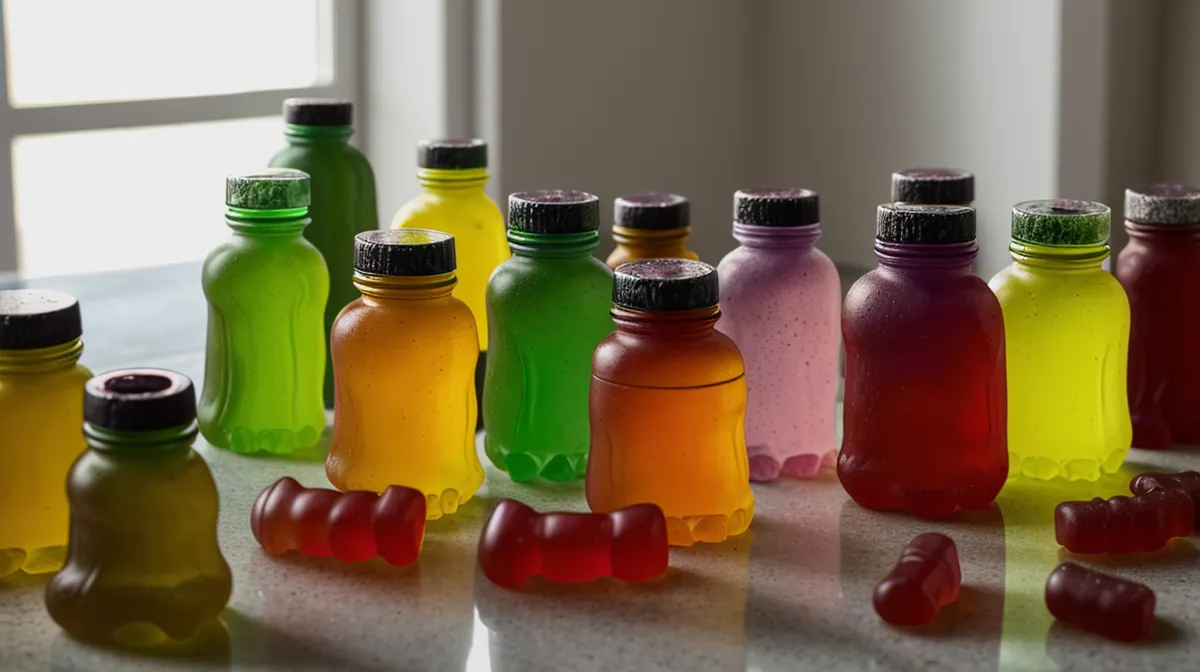
Can a forkful of sauerkraut actually make a gummy probiotic work harder, or is that just something people tell themselves to feel better about a very full grocery cart? I have spent months chasing that question, mostly because I have a sensitive stomach, a fifth-grade classroom to run, and zero ability to get a horse pill down without a fight. Gummy probiotics solved the swallowing problem years ago. What I wanted to know now was whether fermented foods could push the results further, the way a strong homework assignment pushes a decent lesson plan into a great one.
Here is the thing about that grocery cart: some of what is in it are affiliate links, and I earn a small commission if you buy through them, at no extra cost to you. I only recommend gummy probiotics I have actually tested in my own routine long enough to judge fairly, and I am not a doctor, a dietitian, or anything close to one — just a teacher with opinions about supplement labels and a low tolerance for capsules. Talk to your own doctor before changing your diet or your supplement routine.
What a Sensitive Stomach Actually Needs From Gummy Probiotics
For years, my gut health routine looked like a remedial packet: a trip to Target for school supplies that somehow always ended in the supplement aisle, drawn in by the promise of gummy vitamins that did not require gagging on anything. They tasted fine. They were easy. But once I actually started reading the ingredient panels the way I read a rough draft, I got annoyed fast: corn syrup listed first on a bottle marketed as "wellness-focused" is not a passing grade. Ingredient labels are supposed to list the biggest ingredient first, and if sugar wins that spot, whatever comes after it does not matter much. That much I picked up from the FDA ingredient labeling rule, and it changed how I shop.
Eventually I landed on PrimeBiome, the one gummy that has stuck around in my routine because it treats digestion like an honors-track subject instead of an afterthought. There is a specific little crack when a fresh safety cap lets go on a brand-new bottle, and I still register it every time I start testing something. It is not cheap compared to drugstore gummies, and it does not have years of reviews behind it yet, so I do not pretend it is a settled case. What it does have is a formula that held up over months of daily use, which is more than I can say for most of what I tried before it. Once that part of the routine felt solid, I started wondering whether fermented foods could do the rest of the job the gummy could not.
Grocery Cart Homework: Fermented Foods Worth Buying
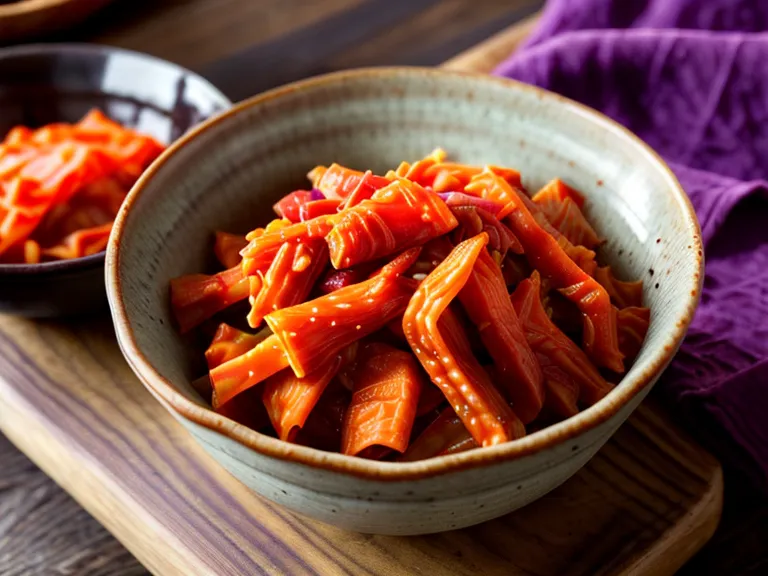
My grocery run for this project usually ends at the Trader Joe's on Leetsdale Drive, where the refrigerated case has enough kimchi, sauerkraut, and plain kefir to make a reasonable start. A neighbor of mine, the kind of person who spends every free Saturday elbow-deep in her backyard vegetable garden, is the one who actually got me curious about live ferments in the first place. She had jars of half-fermented cabbage lined up like she was running her own little co-op. Watching her taste-test her own batches made me realize fermented foods and gummy probiotics were not really competing products. One is food. The other is a supplement. Learning that difference mattered more than any single bottle I bought.
That distinction matters more than the marketing on either side admits. A gummy probiotic is a controlled, measured dose. It will not swing wildly from batch to batch, and it will not go through the actual fermentation process again once it is sealed in a jar. Fermented food is alive and a little unpredictable, which is exactly why I do not treat it as a replacement for anything. Reading a fermented food label is honestly a different homework assignment than reading a gummy probiotic label. I was following my own Reading the Label: How to Spot Added Sugars in Gummy Probiotics notes to make sure neither category was quietly sugar in disguise.
None of this gets into CFU counts or the ongoing prebiotic-versus-probiotic debate. Those are their own report cards, worth a separate unit entirely. For this particular pairing, I only cared about one outcome: whether my stomach behaved differently once both were part of the same routine.
The Elimination Diet I Quit by Day Eight
Before any of this gummy-and-ferment pairing, my doctor once suggested a full elimination diet to sort out what was actually irritating my stomach. The diet would cut nearly everything down to a short list of safe foods, then slowly add things back one at a time and track what happened. I made it eight days. Between grading papers, running a classroom, and trying to plan meals around a shrinking list of allowed foods, it fell apart faster than any lesson plan I have ever abandoned mid-unit. It was not a bad idea. It was just not realistic for my actual life, and I needed something I could sustain on an ordinary weekday without a spreadsheet.
That failed experiment is part of why I am cautious about ramping up fermented foods too fast now. Add a lot of new, live food to a system that is not used to it, and some people report a rough patch that gets loosely labeled a Herxheimer reaction. I am not qualified to explain the biology of that, and neither is most of the internet, so I will not pretend otherwise. Histamine sensitivity is a related wrinkle some people run into with fermented foods specifically, and if headaches or flushing show up after a "healthy" meal, that is worth mentioning to an actual professional rather than pushing through it. Leaky gut theories and the difference between digestive enzymes and probiotics are two more topics that deserve their own careful unit rather than a rushed mention here, so I am leaving both alone for now.
Grading the Pairing, Week by Week
Consistency mattered more than intensity, once the dust settled. The daily PrimeBiome gummy stayed fixed, and fermented foods went in small, steady amounts instead of getting treated like extra credit to binge on all at once.
Somewhere around week seven, the pattern became something I could actually grade. I sat through two full hours of grading essays without once shifting in my chair or feeling that familiar low fist of pressure in my stomach. That particular two-hour stretch used to be impossible without a break. That is a small thing to most people. To someone who has spent years timing errands around her own digestion, it read like a report card finally worth framing.
PrimeBiome stayed steady through all of this, which is the main reason it remained the one variable I never touched while experimenting with ferments. For anyone who wants a gentler, more budget-friendly entry point, GUT VITA is worth a look, though it comes in capsule form, which brings back the exact swallowing problem this whole routine exists to avoid.
So, Gummies or Ferments? Here's My Report Card
For readers in a similar age bracket, I also went back through my own Best Probiotic Gummies for Women Over 40 with Sensitive Stomachs notes to make sure I was not missing anything specific to that stage of life. Fiber came up again in that reread, though soluble and insoluble fiber are their own conversation I am not trying to squeeze in here. Just know that a lot of fermented foods carry more of it than people expect, gummy probiotics generally do not, and that gap is worth knowing about.

My actual answer, after all this grading, is to keep the PrimeBiome routine as the fixed baseline and treat fermented foods as the enrichment activity, not the substitute. If fiber support matters more to you than the gummy format does, SynoGut is worth comparing, though it is a capsule and asks for the same swallowing tolerance I have spent years trying to avoid.
The actual lesson from this whole unit is not about kombucha or kimchi specifically. It is that supplements and food get graded on different curves, and pairing them only works once you stop expecting one to cover for the other. My stomach still is not perfect, and it probably never will be, but it moved from a "needs improvement" to something closer to a solid grade, and that shift held steady long after week seven passed. If you are building your own routine and want a place to start, the PrimeBiome formula is the one I would put at the top of the syllabus.