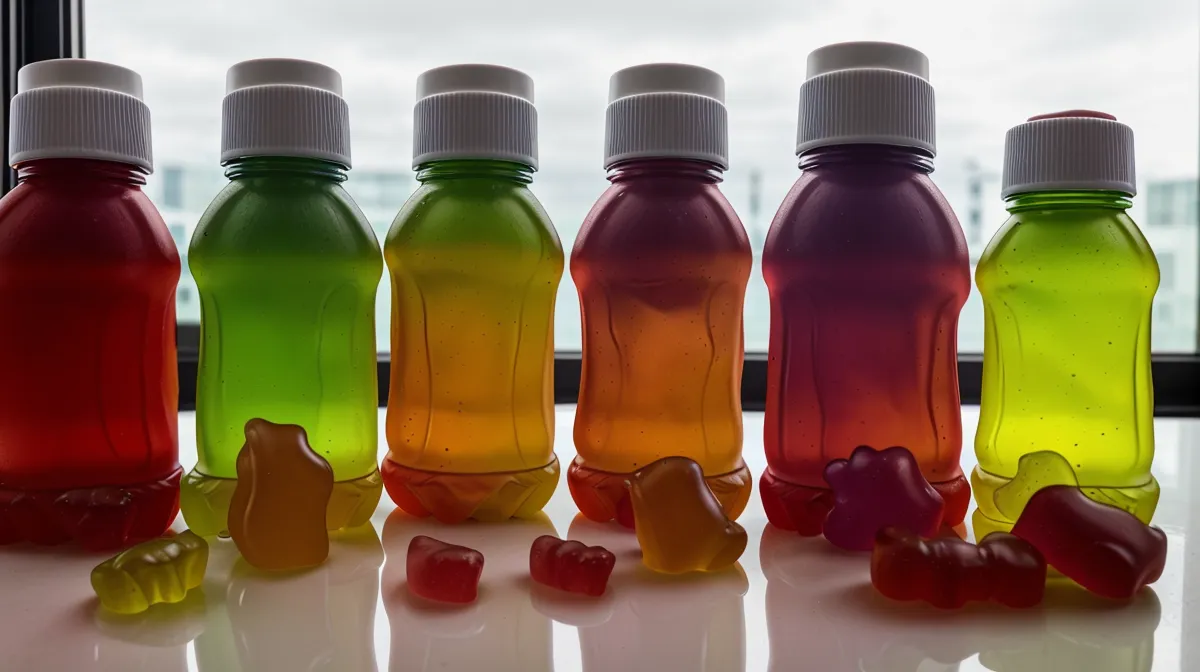
Some "sugar-free" gut-health gummies list a sugar alcohol as the very first ingredient, right where cane sugar used to sit before the label got a makeover. That swap gets marketed as the healthier choice, and most shoppers grab it without a second thought. It isn't automatically the better pick for a sensitive stomach, and the ingredient order on the back of the bottle is usually the first clue.
Here is the thing: grading gummy vitamins for gut health has been my after-school hobby for three years now, the same way I'd grade a stack of essays, looking past the glossy cover for whether the actual content holds up. Label-reading becomes a habit once you've been burned enough times by a "sugar-free" bottle that turned out to be rougher on your stomach than regular sugar ever was.
Before any of the gummies, there was a fiber powder I stirred into a glass of water every morning. It had the texture of wet chalk and coated the inside of my mouth long after I'd swallowed it. I gave up on it within a week and went looking for something I could actually chew, which is how a Target run turned into a supplement rabbit hole with a reading list.
Why "Sugar-Free" Gummy Vitamins Aren't Automatically a Gut-Health Win
Sugar-free doesn't mean sweetener-free. Most of these bottles still need something to make the fruit flavor work, so they lean on sugar alcohols like maltitol, sorbitol, or erythritol instead of plain sugar. The added-sugar trap runs the other direction too: some "gut health" gummies that aren't labeled sugar-free pack in enough cane sugar or corn syrup to undercut whatever probiotic or fiber they're advertising, which is its own kind of failing grade.
A bottle I grabbed off a Target shelf a while back used maltitol as its main sweetener, and the aftertaste stuck around long after the gummy itself was gone, a faint, chemical sweetness clinging to the back of my throat for several minutes, the way a dry-erase marker smell hangs in a classroom after you've capped it. That lingering taste was the easy part. The harder part was the gurgling under my ribs about half an hour later, loud enough that a student two rows back probably heard it.
If you want the longer version of this, I already laid out the full label-reading process in Reading the Fine Print: My Deep Dive Into Gut-Health Gummies After a Year of Label Hunting. This piece sticks to the sweetener half of that grade.
Do Sugar Alcohols Actually Calm a Sensitive Stomach?
For a lot of people, no. Sugar alcohol sweeteners sit differently with everyone's gut, and for those of us with a stomach that already overreacts to stress and caffeine, they can trigger more gas and bloating than the sugar they replaced, not less. My rule now is simple: if a sugar alcohol shows up in the first three ingredients, I treat the bottle as a maybe, not a yes, and I watch how my body reacts for a day before buying a second one.
Pectin ended up being the fix for me, not the sugar alcohol swap. Once I started checking whether a gummy used Pectin instead of gelatin or a sugar-alcohol-heavy binder, the gurgling mostly stopped. That's a pectin-versus-gelatin distinction worth knowing on its own, separate from the sweetener question, but the two usually show up on the same bottle, so I check both at once.
My Grading Rubric for Gummy Sweeteners
Three things earn a passing grade on my rubric now, and sweetener is the one most bottles fail first. The sweetener itself needs to be low in added sugar and light on sugar alcohols; if I see corn syrup or a sugar alcohol sitting in the first three ingredients, that's an automatic mark-down, no matter what the front label promises. The fiber source matters almost as much, because inulin and chicory root get marketed as natural, but they ferment fast enough to cause their own bloating in a lot of people. And the active ingredient actually needs to show its dose on the label instead of hiding behind a proprietary blend, because a bottle that won't show its numbers doesn't get partial credit.
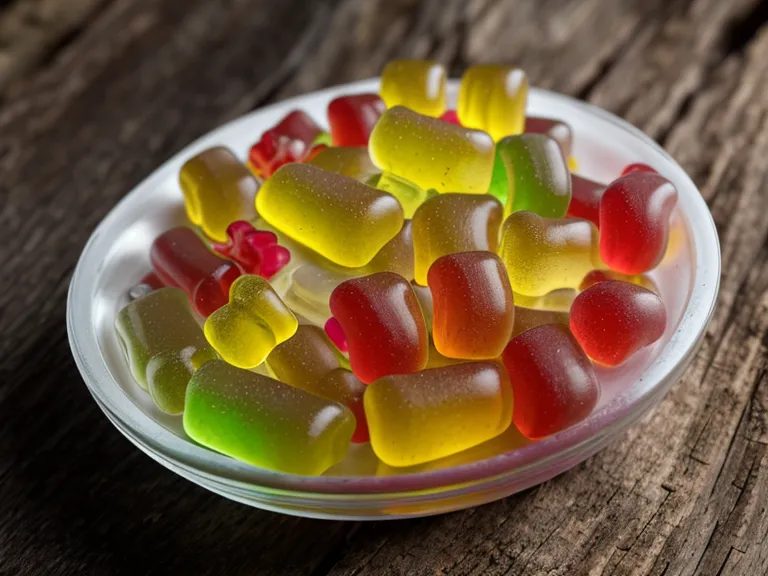
Checking where an ingredient sits on the list, not just whether it's listed, is its own small skill, and I broke it down in more detail when I was grading the labeling of my probiotic gummies. The short version here: ingredient order roughly follows weight, so a sweetener sitting in the top three is doing more work in that gummy than the probiotic strain you bought it for in the first place.
What changed wasn't a new product; it was the rubric. I graded a stack of papers on a bench at Washington Park a few weekends back, two straight hours without once shifting my weight to relieve that familiar fist of pressure under my ribs. No gummy did that on its own. Avoiding the sweeteners that don't agree with me did.
Is "Natural" Fiber the Safer Choice?
Not automatically. Inulin and chicory root get marketed as "natural" fiber, and that word does a lot of heavy lifting on supplement labels. A friend of mine skips the gummy fiber question entirely and brews her own kombucha at home, swapping starter-culture tips the way other people trade casserole recipes, which is a reminder that whole fermented foods and a fiber gummy aren't interchangeable, even when the marketing on both leans on the same "gut health" language.
Artificial sweeteners get lumped into this same conversation, and the honest answer is that the research on how they affect gut bacteria is still being sorted out, which is exactly why I don't grade on a sweetener's name alone. I grade on its position on the ingredient list, its known track record for causing gas or bloating in sensitive stomachs, and whether the rest of the formula backs it up with a dose I can actually verify. That's the whole rubric, really: not whether a label says natural or sugar-free, but whether the fine print survives the same scrutiny I'd give a student's sourced argument.
None of this makes me a scientist, and I still run every new bottle past my own stomach before I trust the label completely. But grading the gut and looking beyond the candy aisle is what finally got me past the gummy-vitamin honeymoon phase, and it's the habit I'd hand any sensitive-stomach shopper standing in the Target aisle wondering why "sugar-free" isn't delivering what the bottle promised.